
Inspiring Educators, Creating Future
Montessori and Nursery Teaching:
Cultivating Tomorrow’s Leaders Today
Montessori and nursery teaching courses focus on early childhood education, aiming to equip teachers with the knowledge and skills to guide young children in their formative years. These courses emphasize child-centered learning, where children are encouraged to explore and learn at their own pace in a nurturing environment.
Natural Growth
Empowering Independence and Natural Growth
The Montessori approach, developed by Dr. Maria Montessori, stresses independence, freedom within limits, and respect for a child’s natural development. Montessori teaching courses train educators to facilitate hands-on learning through specially designed materials that promote sensory development, fine motor skills, and problem-solving abilities.

Everyday Tasks
Building Independence Through Practice
Both Montessori and nursery courses place great importance on helping children develop practical life skills. These include activities like pouring, tying shoelaces, and cleaning, which promote independence and coordination.

Growth Stages
Supporting Holistic Development
Understanding child development is key in both courses. Teachers are trained in various developmental stages, focusing on physical, emotional, cognitive, and social growth. Courses often include lessons on how to create an environment that fosters each child’s unique learning style and pace.

Learning Spaces
Creating Self-Directed Learning Areas
Understanding child development is key in both courses. Teachers are trained in various developmental stages, focusing on physical, emotional, cognitive, and social growth. Courses often include lessons on how to create an environment that fosters each child’s unique learning style and pace. A significant part of the training involves setting up a prepared learning environment. Teachers are taught to arrange classrooms with child-sized furniture, easily accessible materials, and an organized space to promote self-directed learning.

Creative Play
Fostering Imagination and Expression
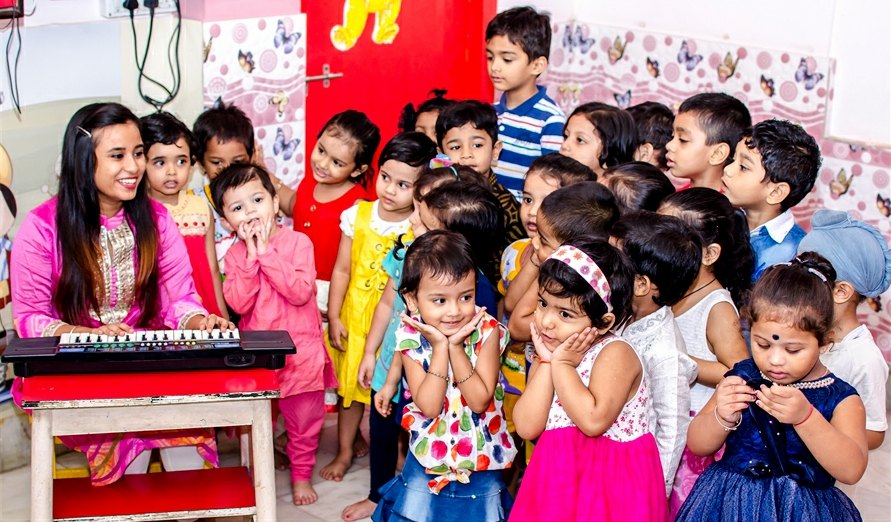
Play-based learning, including arts, crafts, music, and physical activity, is a major component in nursery and Montessori teaching. These activities stimulate creativity, imagination, and emotional expression while developing fine and gross motor skills.

Careful Watching
Guiding Through Observation
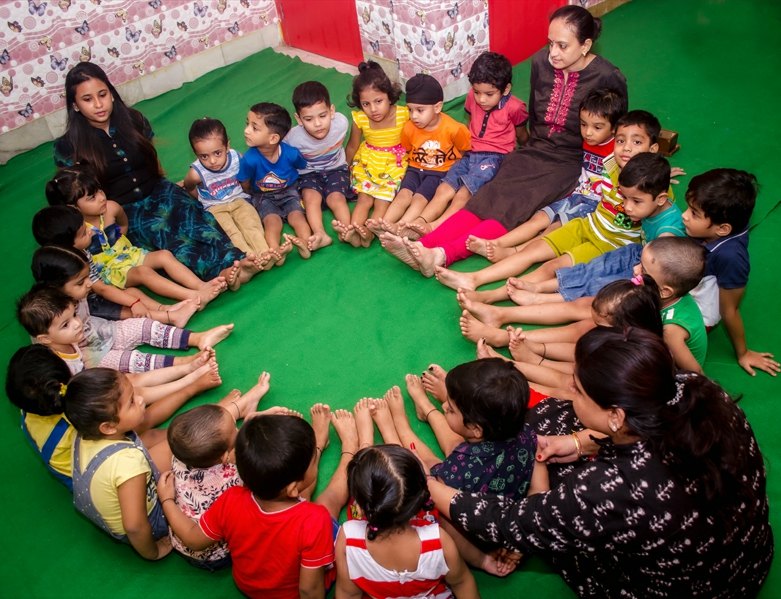
Montessori and nursery teaching courses emphasize the importance of observing children closely. Educators are trained to monitor a child’s progress and intervene only when necessary, allowing children to explore and learn through discovery.

Celebrating Diversity
Creating Inclusive Classrooms
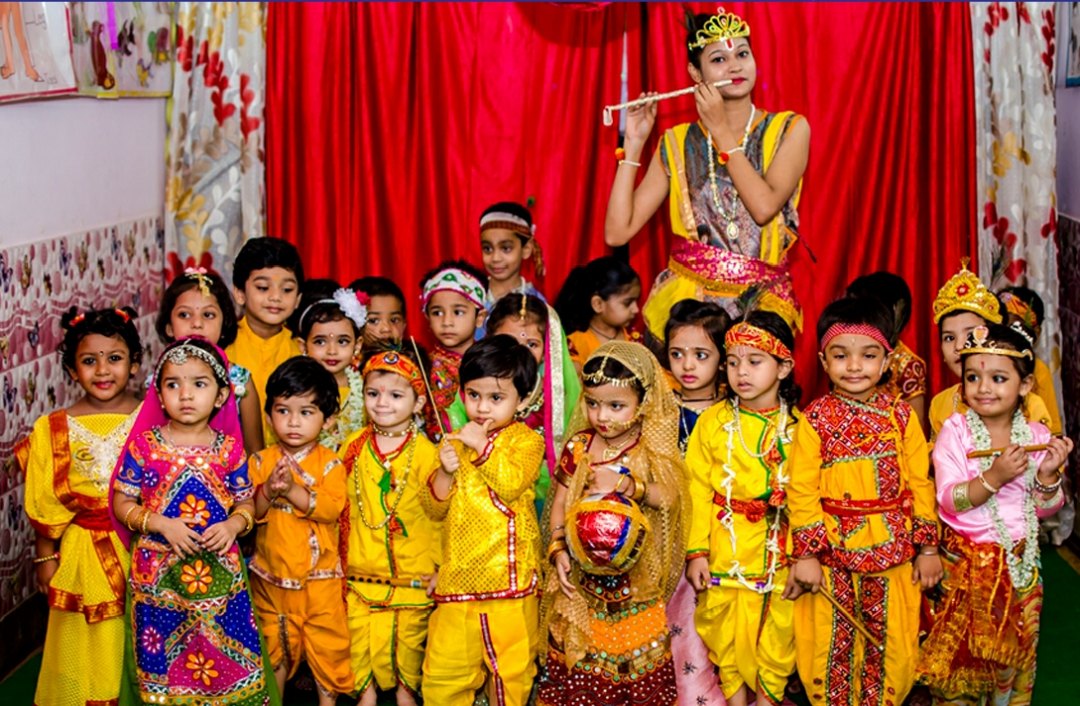
Many courses also focus on teaching educators to create a culturally responsive classroom where diversity is celebrated. This ensures an inclusive environment where all children feel valued and understood.



By the end of the course, teachers are prepared to create engaging, supportive, and developmentally appropriate learning environments that encourage young children's natural curiosity and love for learning.